OFFERS THIS WEEK
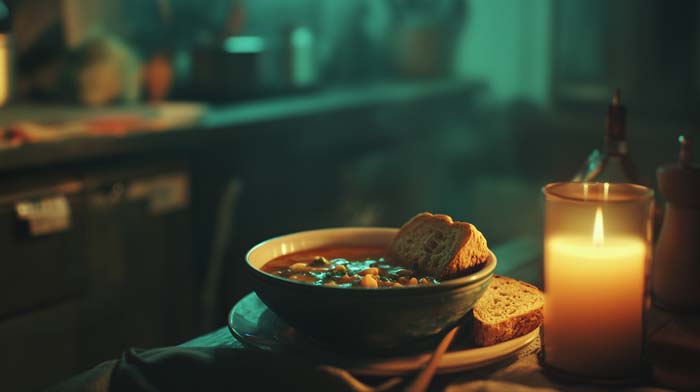
- soup + bread (5 portions)
- 2 hours of handyman time
- extra diapers (size 4)
- tutoring (math)
- someone to sit and listen
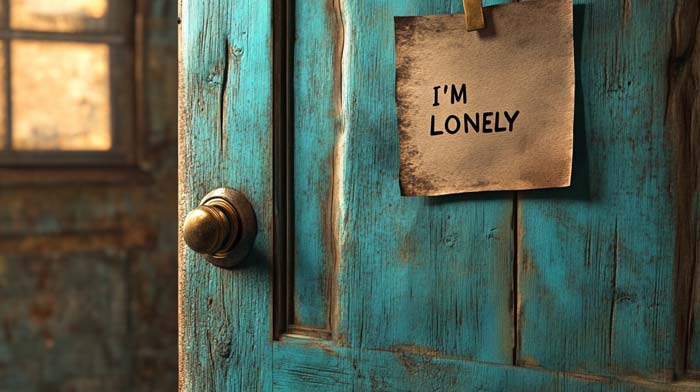 The first strange thing was how fast the room got quiet. People stared at the whiteboards like they were mirrors. Needs weren’t “out there.” They were here…named…human.
The second strange thing was how quickly it stopped feeling like charity. The boards made something visible that money never could: who was already holding the neighborhood together.
A retired electrician taught three teenagers how to seal a window and insulate a water heater. A nurse showed up with a cooler and a plan for medicine storage. A single dad who rarely spoke brought a box of donated coats and lined them up like a small, gentle army. Someone else brought a portable battery and, without ceremony, plugged it into the librarian’s extension cord.
They weren’t “helping the needy.” They were in a system together.
That’s when the story changed.
Not overnight. Stories don’t flip like switches. They shift like weather patterns — slow until suddenly they aren’t.
A circle formed: nine people at first. Not leaders — stewards. They made three agreements:
- ME comes first: no neighbor should lose heat, food, or essential care quietly.
- WE is the platform: every win must strengthen a shared commons — tools, skills, backup power, a kitchen, a care rota.
- FREE is protected: once ME and WE are stable, we invest in the things that make life worth living — art/game/movie nights, maker days, learning, joy, celebration.
They didn’t call it Contributionism. They called it “the reliability plan.”
 The system had a scoreboard — two numbers, updated weekly on a poster at the library:
- Needs met this week (and how fast):
- needs met 47
- median response time 18 hours.
- Commons capacity gained:
- 3 weatherized homes
- 1 tool shelf stocked
- 12 people trained
- 1 shared battery added.
It wasn’t surveillance. No one was graded. It was coordination — an honest map of a living system learning to care for itself.
When the grid stuttered again a month later, something happened that felt like magic but was actually engineering.
The clinic didn’t scramble. It called the circle. The battery bank powered the fridge. The warming room at the church opened on schedule, because it was scheduled — like practice, not crisis. Meals arrived because the kitchen rota was real. Teens showed up with caulk guns because they’d been trained and because, for the first time in their lives, they were needed in a way that wasn’t performative.
And in the middle of it — this is the part nobody expected — people were calmer.
Scarcity had been narrowing everyone’s attention for years. Fear makes the world small. But reliability does the opposite. It widens perception. It frees people to notice each other again.
That winter, the lights flickered across the city. In some neighborhoods, it became a story of anger and blame. In this one, it became a story people couldn’t stop telling:
 “Remember the night the lights didn’t go out?”
Not because the system never failed.
Because the people stopped failing each other.
That was the new story: We are the infrastructure. And once a neighborhood believes that — once it feels it in its bones — it becomes contagious in a good way. The pattern spreads. One circle becomes three. Three become ten. And the economy stops being a machine you serve, and becomes what it was always meant to be:
A living system with a shared practice of keeping each other alive.


 No speech. No ideology. Just the truth, spoken plainly enough to make it shareable.