Listening to Hear
Our current financial system is a machine where the gatekeepers are those who have accumulated the wealth that keeps the machine running and the machine is failing! There is a different option if we're listening.


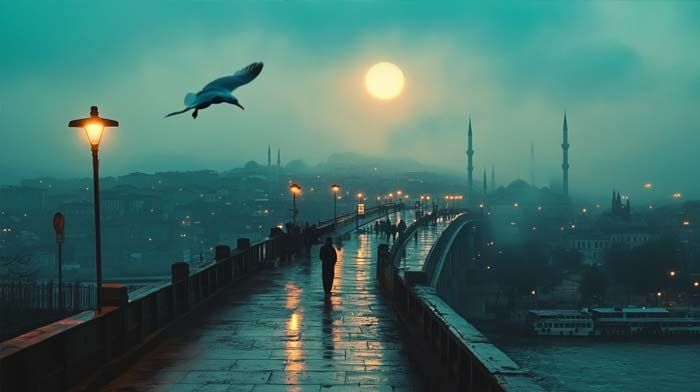
The bridge was built for photographs. A slim ribbon of steel and glass, arcing over a river that used to smell of industry, reframed as regeneration. At night, the moonlight glistened off the strong, steady current that flowed underneath. A mirror, on some nights reflecting the moon above. Influencers came at all hours to stand mid-bridge and let the skyline turn them into an emblem for all to see! But that’s not how it started…
On the morning it opened, the sky was an impossible blue, clean enough as if ordered for the moment. The city had closed the street, brought in banners, and arranged chairs with military precision. A string quartet played something bright and upbeat. The mayor shook hands. Cameras warmed their lenses.
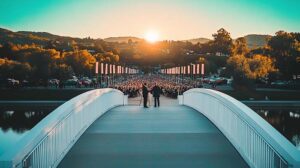 Dylan Hart stood on the periphery, waiting for his cue. His suit, the color of wet slate. His hair, clean cut, neatly manicured, unwavering in the light breeze, the perfect image. The foundation’s logo adorned the podium: minimal, tasteful, a leaf made of clean geometry. People called him a philanthropist, a visionary, a man who built bridges; literally and metaphorically.
He believed it, he radiated it, or at least he needed to.
Dylan had learned early that love came when you performed, did things correctly. When he was a boy, his father loved him most when he made his life easier; when he was quiet, when he brought home perfect grades, when he attuned to his father’s mood after a hard day’s work. Staying out of the line of fire. His father loved him in bursts of pride and long stretches of absence. Praise was a rare currency. Dylan learned to earn it with good behavior, with achievement, with usefulness.
He became the kind of child adults pointed to when they wanted other children to feel ashamed. Look at Dylan. See how well he behaves. Something inside Dylan turned that into an unwritten law: If you’re good enough, you won’t be left, you’ll get attention, you’ll be loved…he needed that attention.




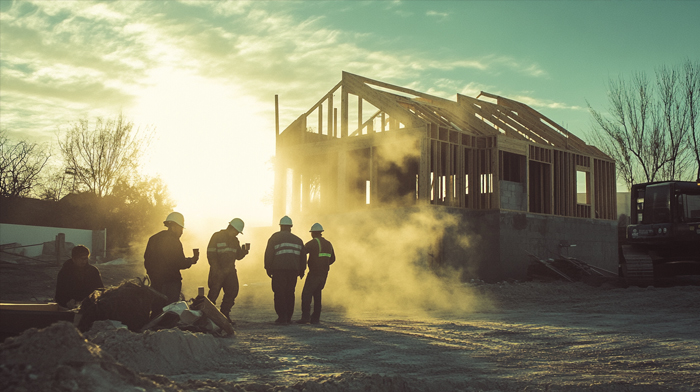
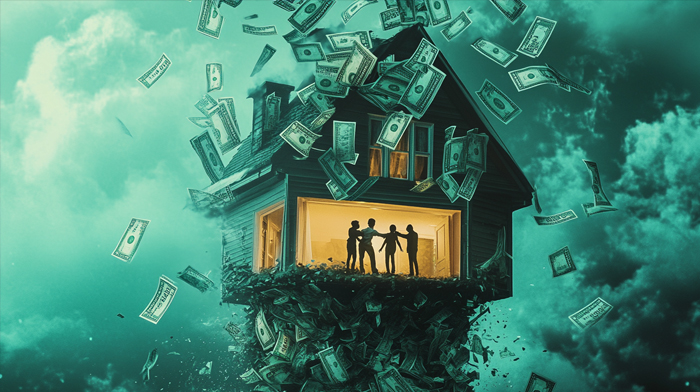






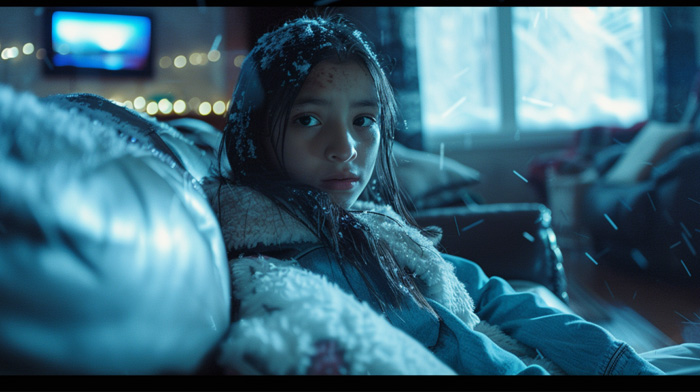



 Later in his life, when money arrived, fast, hard, intoxicating, it didn’t just buy him comfort. It bought him a kind of belonging. People came to him. Laughed at his jokes. Invited him into rooms where decisions were made. Paid attention to him! Yet deep inside, the money didn’t fill the hole of loneliness, the attention wasn’t for who he was, it was for what he had to offer! So Dylan gave, gave big, gave publicly. He smiled for all the public appearances and accepted their accolades. And every time the applause came, the empty spot inside him quieted for a moment; as if admiration were the same as being seen.
The microphone popped. The mayor nodded. Dylan stepped forward, center stage. He spoke the lines he’d refined after dozens of rehearsals: access, dignity, connection, the city’s future. He spoke like a man with clean hands and a full heart. He spoke like a man radiating beauty on the outside.
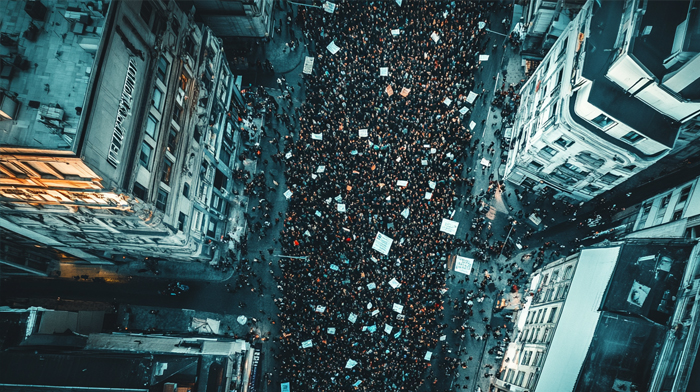
Applause rose in neat waves. The quartet swelled. A drone hovered above the bridge like a mechanical angel, witnessing. Below, on the riverbank, a strip of mud and stone held a different gathering; smaller, uninvited. People behind a barricade. A few handmade signs. A cluster of candles that looked fragile in daylight. Dylan saw it in his peripheral vision, he didn’t look that way, give it any attention. He kept his gaze on the cameras, a smile on his face.
 Those others represented a different kind of bridge: the one between his inner emptiness and his outer shine. He cut the ribbon. He posed for photos. He shook hands until his palm felt numb. He accepted praise with a practiced humility that made people love him more. No one noticed the performative nature that masked something deeper inside he’d recently started to face.
Then he walked off the stage, into a waiting car and off to into the warmth of the luncheon, leaving the scene on the riverbank like a smudge he would later crop out.
The heartbreak of reality arrived before dusk. It came as a notification on his phone while he was still in the afterglow of triumph. A link from his communications director, tagged URGENT. He clicked. The video began with a familiar angle; his face, his suit, every hair in place, the bridge behind him, the city looking radiant.
The audio was crisp enough to cut. Dylan’s voice, captured in a moment he thought was private, speaking to a developer near the edge of the stage: “People don’t fund the messy parts. They fund the beautiful parts. That’s the whole game.” The developer laughed, the camera operator zoomed slightly, as if the filmer couldn’t believe their luck.
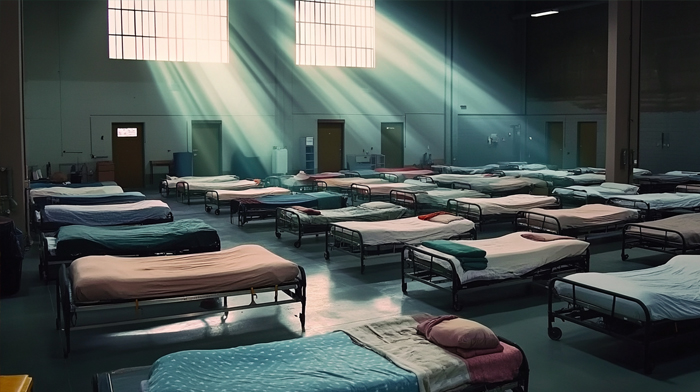
Then the video cut to another clip: dawn. All the fanfare gone. Police, workers in reflective vests. Tents being dismantled along the riverbank. People carrying damp blankets and plastic bags, moving fast because slowness meant punishment! A woman shouted; not into the camera, but into the air; her raw voice filled with disbelief. A man in a wheelchair sat still while someone folded his life into trash bags. Text overlaying the footage:
 “REGENERATION” PROJECT REQUIRED ENCAMPMENT CLEARING
Dylan scrolled down. Screenshots of emails. The agreement. The clause he’d signed without reading too closely because the details had always been handled for him. A photo surfaced beneath the headline: a row of candles from the earlier protest, now toppled in mud. A child’s stuffed animal near a torn tarp. Dylan’s throat tightened. His stomach dropped as if the bridge under him had shifted. He had funded housing initiatives. He had donated to food programs. He had been on panels about compassion. He had told himself he was helping. And yet, there it was, undeniable: his beauty had required someone else’s disappearance.
The comments were like a wildfire.
Dylan stared at his reflection in the black glass of his phone screen. His own face looked unfamiliar; polished, composed, floating above panic. He turned toward the window of the restaurant. The bridge was visible from here, glowing now as evening arrived, a line of light across dark water. It looked flawless. His chest felt like it was full of ash.
Arriving back at the office, his team moved around him like an emergency drill: calls, statements, legal language, damage control. They offered him the old solution: contain the story, restore the image, outspend the outrage. Dylan listened with half an ear. Something deeper inside him had gone silent; the part that usually rose to meet crisis with strategy. For the first time, he felt the cost of his methods, not as a concept, but as a wound.
 On the ride home that night, not noticing his driver, his mind raced, his denial took the form of rationalization:
His mind tried to defend him. His sleep was restless that night. Because the giving; his giving; had stopped working. It no longer filled the hole, it didn’t produce love. He saw the harm his “giving” had caused. The image cracked, his heart split, he could no longer unsee it. The hungry ghost inside him came fully into his awareness!
The next day as circumstances would have it, he had therapy, something he’d secretly started several months earlier as a result of a failing relationship, the ghost was there. He shared the previous day with his therapist. A quiet presence giving him undivided attention, no agenda…something he’d never experienced in other places in his life, noticing it in a different way now. She asked him questions; How do you feel? Have you felt this way before? What do you need? And like a camera flash, it popped into his awareness: If you give enough, you will be loved. In that simple realization tears came, flowing like the water under yesterday’s bridge. For the first time in his life he gave himself the attention he’d always sought from others!
 The therapy session ended with a hug from his therapist, a reassurance that things would be okay and he knew he’d turned some type of corner. As he left he sent a simple message to the office, “I’m taking a personal day.” No explanation, no details, no pretense.
He let himself wander the city, no goal, no destination, just noticing what was around him, seeing how it felt inside. Paying attention to what he would call beautiful and what would have turned away from in the past. In that moment, seeing with new eyes, that it was all perfection. Walking randomly, he turned the corner of a building and there it was, the bridge. He paused, the reality of the day before hitting him fully, like gale force winds.. He continued his walk, every step measured, intentional, present to what he was feeling.
The stream of his old thinking flowing through his mind. His body remembering, being a boy, trying to be lovable by being useful. His body remembered the constant scanning: Am I wanted? Am I enough? Do I have value? Realizing, standing there in the full sun on the bridge, he’d turned his entire adult life into a performance of goodness designed to secure affection.
Reaching the point where the riverbank below came into sight. All that remained below was blowing leaves, plastic, a stray paper cup, the miscellaneous debris of human occupation. And burnt into his mind’s eye, the people who’d stood there less than 24 hours ago. Paying attention to what he was feeling he got to see how the shadow masculine had defined his life:: control, dominance, winning, the need to be seen as right. He’d called it leadership. He’d called it impact. He’d called it legacy. But legacy, he saw now, was often just a beautiful word for hunger that could never be satisfied. He took a deep breath; not to calm down for a camera, but to stay present.
 Leaning over the rail, taking in the view fully. His throat tightened. A single sound escaped him; small, involuntary. Not a speech. Not an apology. Finally given grief permission. A single tear rolled down his cheek, falling into the river below. He wasn’t grieving the headlines. He was grieving the lie. He saw how he’d built bridges so no one would have to see his inner emptiness. He had made beauty into a shield.
The next morning, when Dylan arrived at the office his staff noticed something was different in the way he carried himself. He called a meeting and announced how they would respond to the events of the previous day. His advisors begged him not to do it: he released the full agreement, unedited, with his signature visible. He froze the project. He resigned from the board positions that existed to protect him. He returned donor money that came with conditions of silence.
He handed oversight to a community-led trust, run by people who had been organizing along the river for years; people he had previously met only as “stakeholders.” He funded legal support, storage lockers, emergency housing placements; quietly, without branding. He canceled the gala follow-up. He stopped using faces as marketing assets.
It cost him. Sponsors withdrew. Friends stopped calling. Invitations disappeared. A columnist who once praised him now wrote a sharp piece about “late-stage conscience.” Dylan felt the ache of the withdrawal, his mind begged for the old drug: Applause, Control, Image, Attention. He knew his inner work wasn’t done, he stayed with the discomfort.
Dylan began showing up, without cameras, without fanfare, at meetings where he wasn’t the center of attention. He sat in folding chairs and listened to anger without defending himself. He practiced restraint, the maturity of not turning pain into his redemption story. He learned boundaries in a new direction: not the boundary that keeps others out, but the boundary that keeps his shadow from driving the car.
He learned to say, simply: I did harm.
He learned to ask: What would repair look like now?
He learned to accept: Not you. Not yet. Not like that.
It was not dramatic, it was humbling. Repetitive. Ordinary. And slowly, something in his chest began to unclench, not because the world forgave him, but because he paid attention and forgave himself..
 Weeks later, Dylan walked the bridge again at dusk. The lights pulsed as they always had. The skyline gleamed. The bridge remained a beautiful object. But Dylan felt the difference in his body. Beauty was no longer the lighting. Beauty was alignment, the quiet congruence of a man no longer using generosity as camouflage.
On the far end of the bridge, the riverbank was darker, less photogenic. Dylan walked toward it anyway, feeling the moist air on his face, the steady weight of his feet on steel. He didn’t feel redeemed. He felt awake. Paying attention to both the beauty of the outer world and the beauty of his inner world.